


Gambling's influence on cultural expressions around the world
The Historical Roots of Gambling in Culture
Gambling has been a part of human civilization for centuries, often reflecting the values and beliefs of different societies. In ancient cultures, games of chance were not merely forms of entertainment; they were intricately tied to rituals, social hierarchies, and economic systems. For example, in ancient China, gambling activities were seen as a method to make decisions and seek divine guidance, showcasing how deeply entrenched these practices were in cultural expressions. Online platforms like midarion-casino.uk highlight how modern gaming mirrors these historical practices, offering a blend of tradition and innovation.

As time progressed, gambling evolved alongside societal changes, influencing art, music, and literature. From Shakespeare’s works, which often hinted at themes of chance and fate, to modern films that romanticize casinos and the allure of gambling, the narrative surrounding this practice has been a rich source of inspiration for artistic expression. This interplay highlights the multifaceted role that gambling plays in shaping cultural identities across the globe.
Gambling and Its Influence on Language and Literature
The lexicon of gambling has permeated everyday language, enriching the ways in which people express ideas and emotions. Phrases like “playing your cards right” or “raising the stakes” have transcended their literal meanings to convey broader concepts of risk, strategy, and decision-making. Such phrases are often utilized in literature to illustrate the unpredictable nature of life itself, aligning the act of gambling with existential themes.
Literature also offers a window into the psychological aspects of gambling. Novels and poems frequently explore the highs and lows associated with gambling, portraying it as a metaphor for human aspirations and failures. This cultural lens not only captivates readers but also provokes reflection on the inherent risks and rewards that characterize human endeavors.
Gambling in the Arts: Music, Visual Arts, and Performance
The impact of gambling extends beyond literature into various art forms, where it has inspired countless musicians, visual artists, and performers. In music, genres such as jazz and blues often celebrate the gambler’s lifestyle, reflecting themes of chance, loss, and triumph. Iconic songs have emerged, capturing the thrill and despair of taking risks, which resonates with audiences globally.
In visual arts, depictions of gambling often reveal societal attitudes towards wealth and fortune. Artists like Caravaggio and Degas have illustrated gambling scenes that delve into the human experience, while contemporary artists continue to explore the moral implications of chance and luck. These portrayals highlight how gambling serves as a canvas for broader societal commentary, influencing cultural perceptions over time.
Global Variations in Gambling Cultures
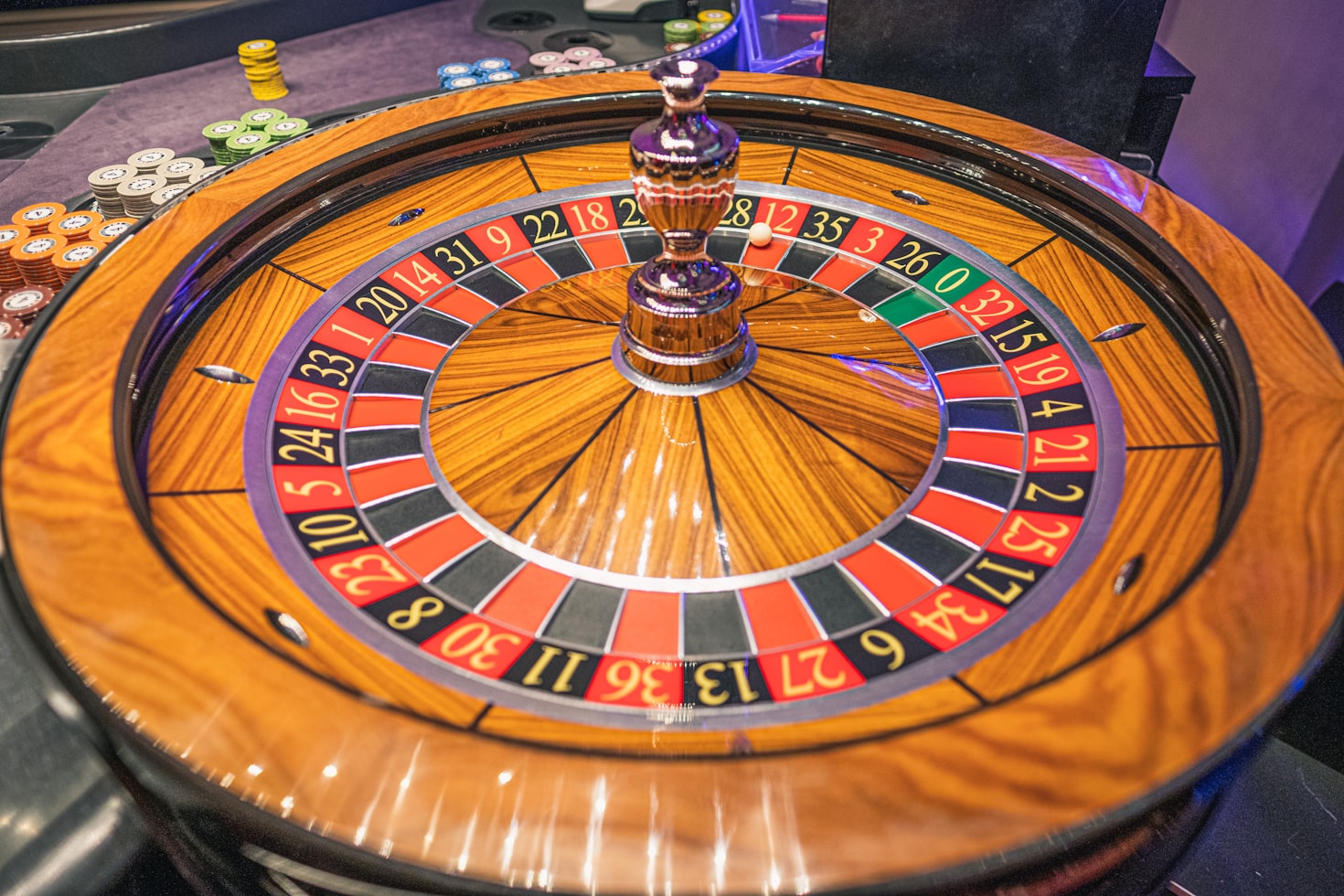
Across the globe, gambling manifests uniquely in different cultures, each with its traditions, games, and social practices. In the Western world, casinos represent a glamorous and high-stakes form of entertainment, often depicted in movies and literature. Conversely, in cultures like those in Asia, gambling is deeply woven into social fabric, with games such as Mahjong or Sic Bo serving as focal points for community interaction and family gatherings.
The diversity in gambling practices underscores the importance of context in shaping cultural expressions. For instance, the traditional practices surrounding betting during festivals or religious events illustrate how gambling is not just a leisure activity but an essential part of cultural identity and heritage, creating bonds among individuals within those communities.
Exploring Online Gambling’s Role in Modern Culture
With the advent of technology, online gambling platforms have revolutionized the landscape of gaming, making it more accessible than ever. Websites like Midarion cater to diverse audiences, reflecting the contemporary cultural shift towards digital interaction. This accessibility alters how gambling is perceived, moving from physical spaces to digital realms where social interaction still thrives.
Furthermore, online gambling has sparked new conversations about responsible gaming and regulation, influencing cultural attitudes towards gambling. As players engage in this modern expression of betting, the balance between enjoyment and risk becomes a focal point in discussions around ethics and societal responsibility, shaping the future narrative of gambling in culture.